
New Phenolic Compounds Found in Extra Virgin Olive Oil
Share
Olives have been cherished around the Mediterranean for millennia—not just for their flavor, but for their remarkable health benefits. The extra virgin olive oil (EVOO) made from them is a key part of the Mediterranean diet, long linked to longevity and reduced risk of chronic disease. Recent scientific studies have gone even deeper into what makes EVOO so powerful, discovering new phenolic compounds that may help combat inflammation, cardiovascular disease, and even certain cancers.
What Are Phenolic Compounds?
Phenolic compounds are natural plant molecules with strong antioxidant and anti-inflammatory properties. They help protect cells from oxidative stress—the same process behind aging and disease—and may even slow cancerous cell growth. While these compounds are commonly found in fresh fruits and vegetables, their presence in EVOO has drawn great interest because olive oil remains chemically stable even after pressing and storage.
The Newly Identified Phenolic Compounds
A comprehensive study screening over 2,000 olive oil samples using advanced Nuclear Magnetic Resonance (NMR) techniques revealed several key phenolic compounds unique to high-quality extra virgin olive oils. Four stood out for their distinct biological effects:
- Oleacein (3,4-dihydroxyphenylethanol): Known for its cardioprotective power, oleacein may reduce progression of atherosclerosis—the buildup of fatty deposits in arteries. It’s also a potent antioxidant, anti-inflammatory, antimicrobial, and anti-proliferative compound. EVOOs rich in oleacein are particularly beneficial for heart health.
- Oleocanthal: Often described as “nature’s ibuprofen,” oleocanthal mirrors the anti-inflammatory effects of common pain relievers—by naturally inhibiting inflammatory enzymes. Research links it to lower risks of cardiovascular disease, diabetes, and certain types of cancer. Its peppery sensation in the throat (typical of high-quality EVOO) is due to this molecule.
- Oleuropein Aglycon and Ligstroside Aglycon: These two complex phenols are still being fully characterized, but both show promise in protecting against heart disease and maintaining cellular health. They contribute to EVOO’s stability and slightly bitter, structured taste.
Interestingly, two more rare phenolics—oleokoronal and oleomissional—have been detected at lower concentrations but appear to share similar bioactive roles.
Why These Discoveries Matter
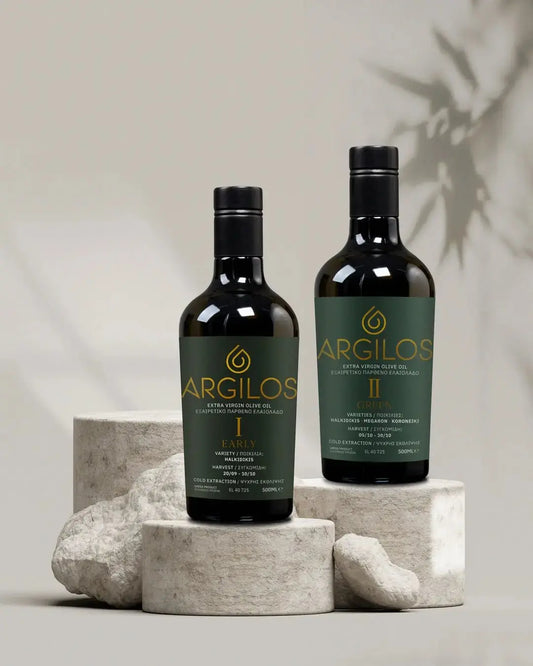
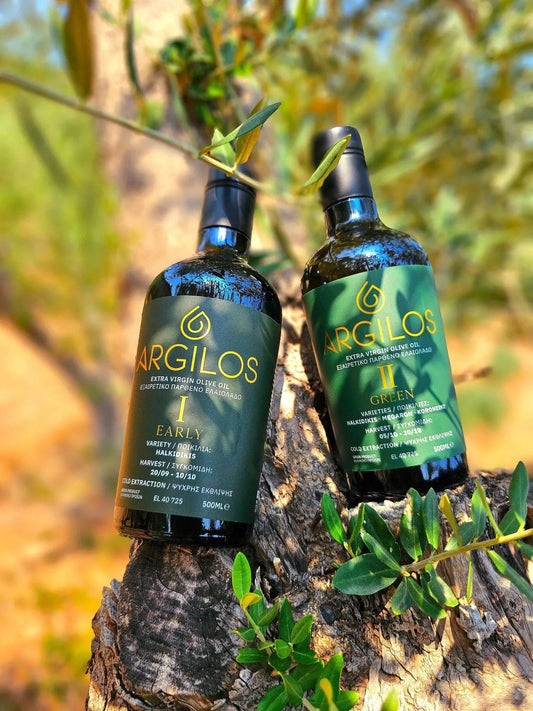
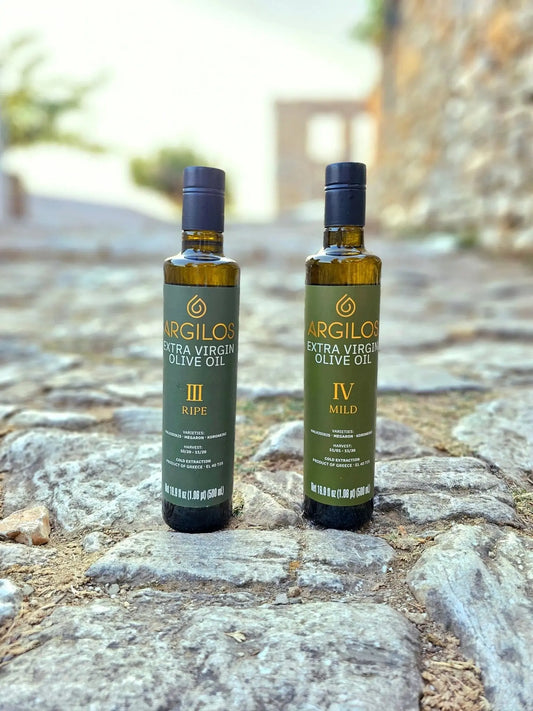
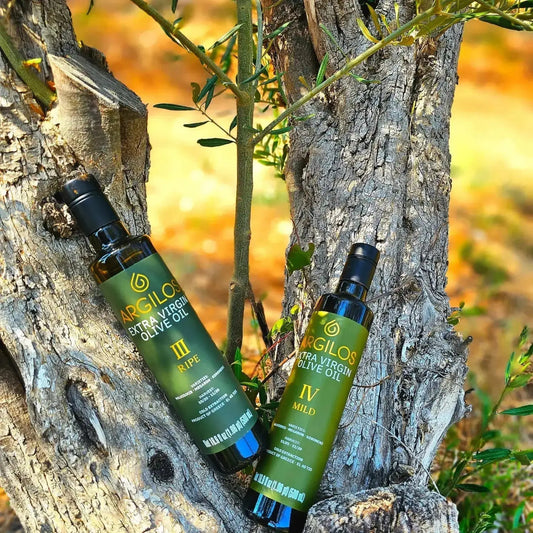
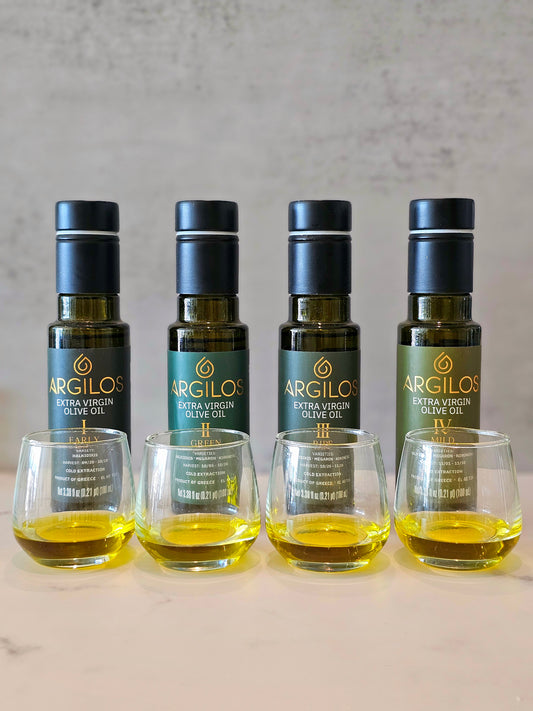
Not all olive oils are created equal. The concentration of these compounds depends on olive variety, harvest timing, and processing. Early-harvest, cold-extracted extra virgin olive oils—like ARGILOS—tend to be richer in phenolics because the olives are pressed while still green and nutrient-dense. Choosing such oils means choosing both flavor and longevity.
The Takeaway
EVOO’s value goes far beyond its culinary charm. Every golden drop carries intricate plant chemistry that supports human health—from heart protection to antioxidant defense. As science uncovers more about these compounds, one thing becomes clear: real extra virgin olive oil is both food and functional medicine.
References
- Karkoula, E., Skantzari, A., Melliou, E., & Magiatis, P. (2012). “Quantitative measurement of major secoiridoid derivatives in olive oil using NMR.” Journal of Agricultural and Food Chemistry.
- Fernández-Cuesta, A., et al. (2013). “Hydroxytyrosol and tyrosol derivatives in Spanish extra virgin olive oils: Concentrations and antioxidant activity.” Food Chemistry, 138(2–3), 1172–1179.
- Cicerale, S., Lucas, L., & Keast, R. (2010). “Biological activities of phenolic compounds present in virgin olive oil.” International Journal of Molecular Sciences, 11(2), 458–479.
- López-Yerena, A., Ninot, A., Lozano-Castellón, J. et al. (2020). “Health-promoting properties of phenolic compounds in extra virgin olive oil.” Antioxidants (Basel), 9(11), 1014.
- Magiatis, P., et al. (2017). “Identification and quantification of new phenolic compounds in extra virgin olive oil.” Molecules, 22(5), 758.