
New Study Finds Mediterranean Diet, Rich in Olive Oil, Reduces Risk of Chronic Constipation
Share
Introduction
For centuries, the Mediterranean way of eating has been linked to longevity, heart health, and vibrant digestion.
Now, modern science confirms another benefit: better gut motility and a lower risk of chronic constipation — thanks in large part to the natural fats and fibers found in this diet.
A new study published in Gastroenterology (2025) — the world’s leading digestive health journal — found that people who closely adhered to a Mediterranean dietary pattern had a significantly reduced incidence of chronic constipation, especially when their diet included extra virgin olive oil (EVOO) as a primary fat source.
🧬 The Study: Dietary Patterns and Chronic Constipation
Publication: Gastroenterology, 2025
Title: “Dietary Patterns and Incident Chronic Constipation in Three Prospective Cohorts of Middle- and Older-Aged Adults”
Authors: Researchers from Harvard T.H. Chan School of Public Health & Massachusetts General Hospital
🔗 Read full study here
Study Overview
The researchers analyzed data from over 150,000 adults across three long-term U.S. cohorts:
- Nurses’ Health Study (NHS)
- Nurses’ Health Study II (NHS II)
- Health Professionals Follow-up Study (HPFS)
Participants’ dietary habits were tracked over more than 20 years, along with gastrointestinal health outcomes.
Key Findings:
- Individuals following a Mediterranean-style diet had a 23% lower risk of developing chronic constipation.
- Diets high in fiber, plant fats (like olive oil), fruits, and vegetables were strongly protective.
- Conversely, Western-style diets — rich in processed foods, red meat, and low in olive oil — were linked to increased constipation risk.
- The benefit remained even after controlling for age, BMI, and physical activity.
“Dietary patterns emphasizing unsaturated fats, whole grains, and plant foods appear protective against chronic constipation,” researchers wrote.
🌿 Why Olive Oil Matters for Digestive Health
Extra virgin olive oil is a natural digestive aid used for centuries in Greek and Mediterranean households.
Modern science now confirms that its unique composition supports gut motility, microbiome balance, and intestinal lubrication.
How EVOO Helps:
| Mechanism | Description | Result |
|---|---|---|
| Stimulates bile production | Helps digest fats and regulate bowel movements | Smooth, regular digestion |
| Lubricates the intestines | Acts as a natural emollient | Eases stool passage |
| Supports gut microbiota | Oleic acid & polyphenols nourish beneficial bacteria | Improves gut balance |
| Anti-inflammatory action | Reduces intestinal irritation and oxidative stress | Healthier colon environment |
In short: olive oil doesn’t just make food delicious — it helps everything move as nature intended.
🏺 Argilos EVOO: A Natural Ally for Gut Balance
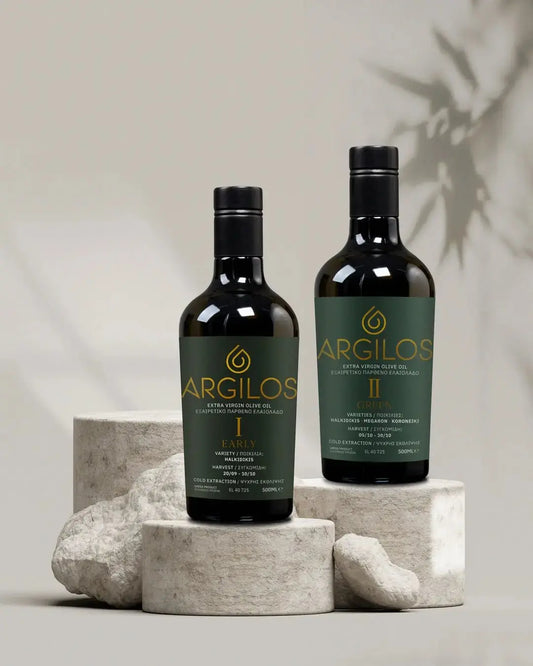
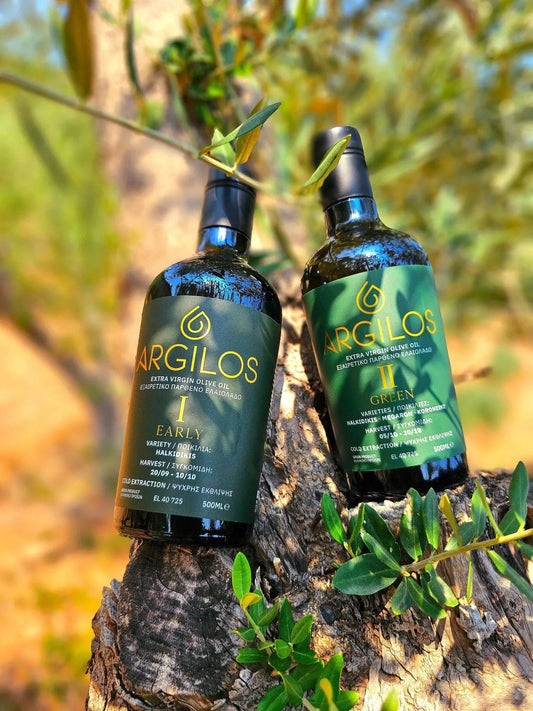
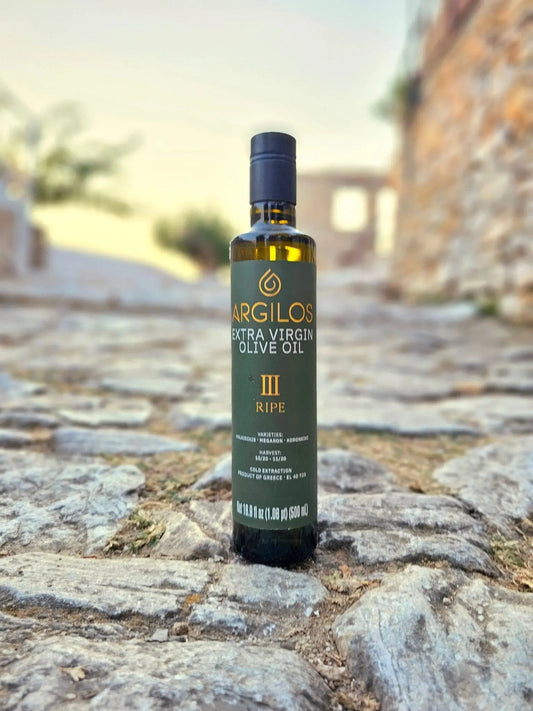
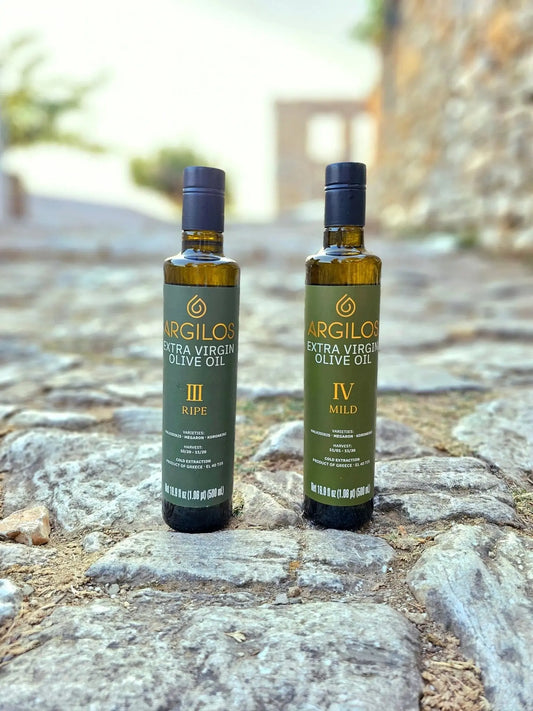
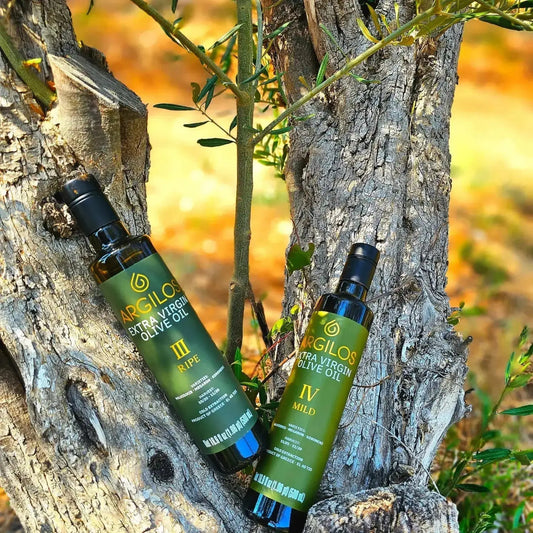
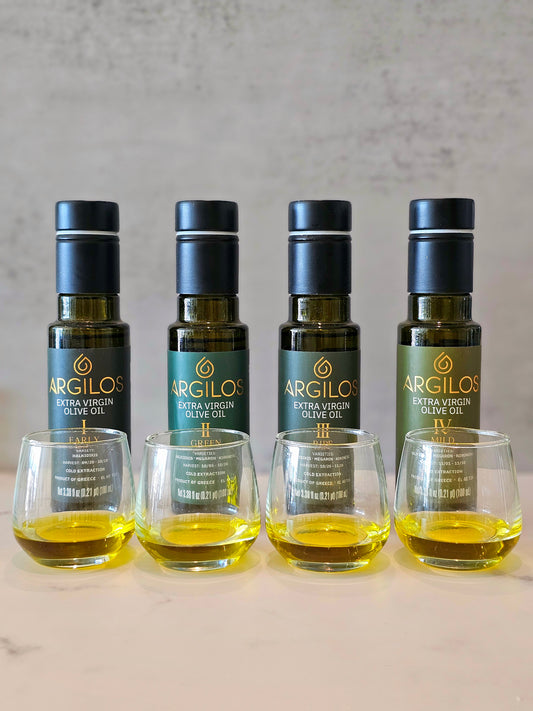
Argilos Extra Virgin Olive Oil, crafted in the heart of Greece, embodies all the qualities praised in this study — low acidity, high polyphenols, and rich oleic acid content.
Why It Works:
- High Oleic Acid (~78%): Supports intestinal motility
- Ultra-Low Acidity (<0.3%): Indicates freshness and purity
- Rich in Hydroxytyrosol & Oleuropein: Powerful gut-protective antioxidants
-
Cold-Pressed Within Hours of Harvest: Preserves enzymes that aid digestion
“Our olive oil isn’t just food — it’s a functional ingredient for daily digestive wellness.”
👉 Shop Argilos Extra Virgin Olive Oil →
🍽️ How to Apply This Study in Daily Life
1. Start your day with 1 tbsp of EVOO on an empty stomach.
Traditional in Crete — it lubricates the digestive tract and primes the gut.
2. Adopt the Mediterranean plate:
- Whole grains
- Fresh vegetables & legumes
- Fruits & nuts
- Olive oil as the main fat
- Minimal red meat and sugar
3. Use olive oil to cook and finish meals.
EVOO is stable under heat and enhances absorption of fat-soluble vitamins (A, D, E, K).
4. Stay hydrated.
Olive oil works synergistically with adequate water intake to support bowel regularity.
📚 References
- Gastroenterology (2025). Dietary Patterns and Incident Chronic Constipation in Three Prospective Cohorts of Middle- and Older-Aged Adults. Read here →
- Harvard T.H. Chan School of Public Health (2025). Mediterranean Diet and Digestive Health.
- European Journal of Clinical Nutrition (2024). Olive oil intake and bowel regularity: a systematic review.
❓ Frequently Asked Questions
Q1: Can olive oil really help relieve constipation?
A: Yes. Extra virgin olive oil acts as a natural emollient, softening stool and stimulating bile production — aiding gentle, regular elimination.
Q2: How much olive oil should I take for digestive benefits?
A: Studies and traditional use suggest 15–25ml (1–2 tablespoons) daily, preferably on an empty stomach or drizzled over meals.
Q3: Does heating olive oil destroy its digestive benefits?
A: No — EVOO is stable up to ~400°F. You retain both flavor and beneficial compounds when used for light sautéing or roasting.
Q4: Is Argilos EVOO suitable for daily digestive use?
A: Absolutely. Its ultra-low acidity and freshness make it ideal for internal use and gentle enough for consistent daily consumption.