
Regular Extra Virgin Olive Oil Intake Linked to Lower Abdominal Fat, Study Finds
Share
Introduction
In the Mediterranean diet, olive oil isn’t just a condiment — it’s a cornerstone of health.
Now, modern science is validating what Greek tradition has long known: extra virgin olive oil (EVOO) doesn’t cause weight gain — in fact, it may help reduce harmful belly fat.
A new peer-reviewed study published in Frontiers in Nutrition (2025) reveals that people who regularly consume EVOO have significantly lower abdominal obesity, even when other factors like age, physical activity, and overall calorie intake are taken into account.
This adds to growing evidence that the quality of fat matters more than the quantity — and that EVOO, rich in oleic acid and polyphenols, plays a powerful role in shaping a healthy metabolism.
🧬 The Study: Olive Oil and Abdominal Fat
Publication: Frontiers in Nutrition (2025)
Title: “Regular extra-virgin olive oil intake independently associates with lower abdominal obesity”
🔗 Read the full study here
Researchers analyzed dietary habits and body composition data from thousands of adults across Mediterranean regions.
They compared individuals who regularly consumed extra virgin olive oil with those who did not.
Key Findings:
- 🩻 Lower waist circumference: Regular EVOO consumers had smaller abdominal measurements, a marker of reduced visceral fat.
- 🧠 Independent of calorie intake: The benefit persisted even after adjusting for total calories and physical activity.
- 💪 Better metabolic markers: EVOO intake correlated with lower triglycerides and improved insulin sensitivity.
In simple terms: eating olive oil didn’t make participants gain weight — it helped them store less fat around the belly.
🌿 Why Abdominal Fat Matters
Not all fat is equal.
Abdominal or visceral fat — the type that accumulates around your organs — is the most dangerous kind.
It’s linked to:
- Heart disease
- Insulin resistance and Type 2 diabetes
- Hormonal imbalance
- Chronic inflammation
This study suggests that EVOO, when used as the primary dietary fat, helps regulate fat distribution and protects against metabolic syndrome, even without changing total calories.
🧠 How Extra Virgin Olive Oil Affects Metabolism
The secret lies in olive oil’s unique chemical makeup — a balance of healthy fats and bioactive compounds.
| Compound | Function | Benefit |
|---|---|---|
| Oleic Acid (Omega-9) | Improves fat oxidation | Reduces central fat storage |
| Polyphenols (Hydroxytyrosol, Oleuropein) | Anti-inflammatory | Lowers cortisol and insulin spikes |
| Squalene & Vitamin E | Antioxidant | Supports liver and hormone balance |
| Secoiridoids | Cell signaling | Enhances metabolic flexibility |
These compounds activate AMPK, the same “fat-burning” enzyme targeted by exercise — making EVOO a metabolic ally.
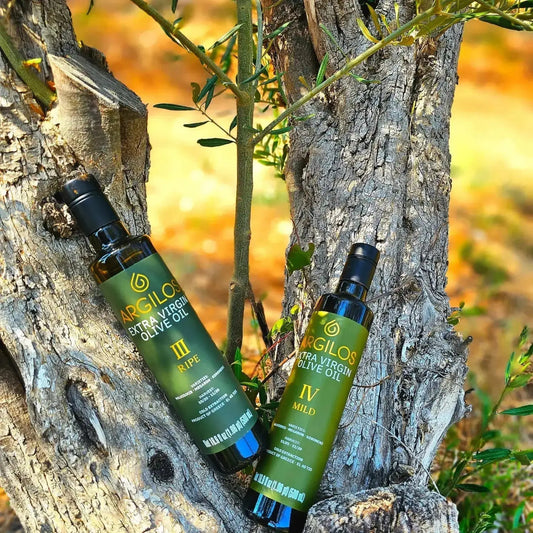
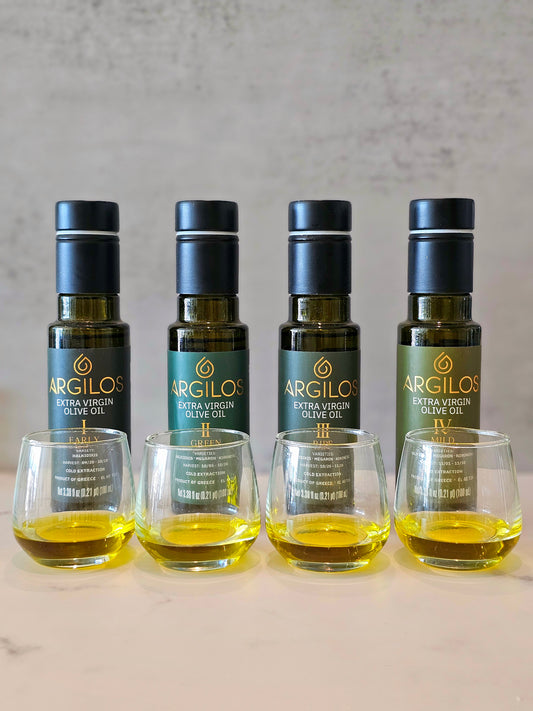
🏺 Why Argilos EVOO Delivers These Benefits Naturally
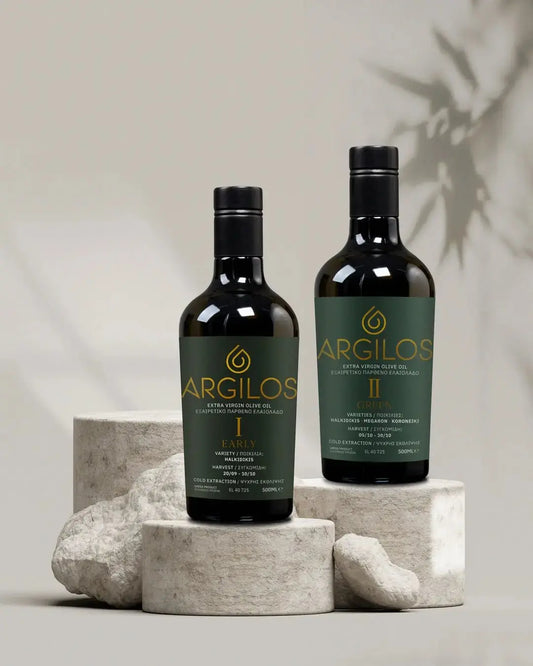
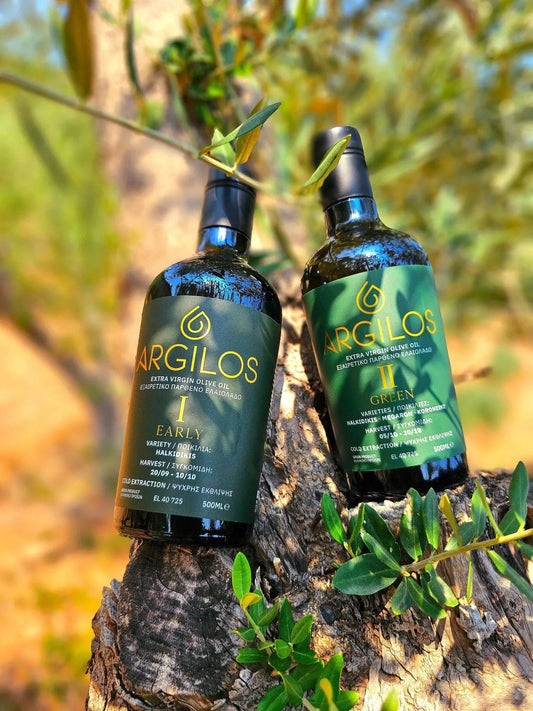
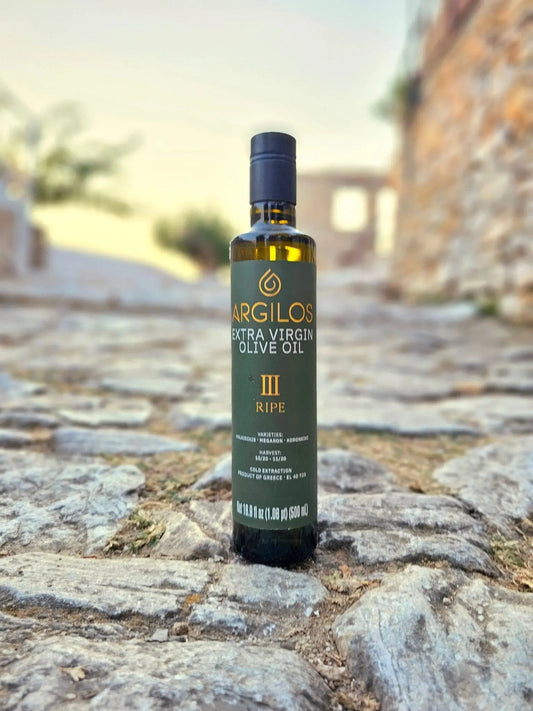
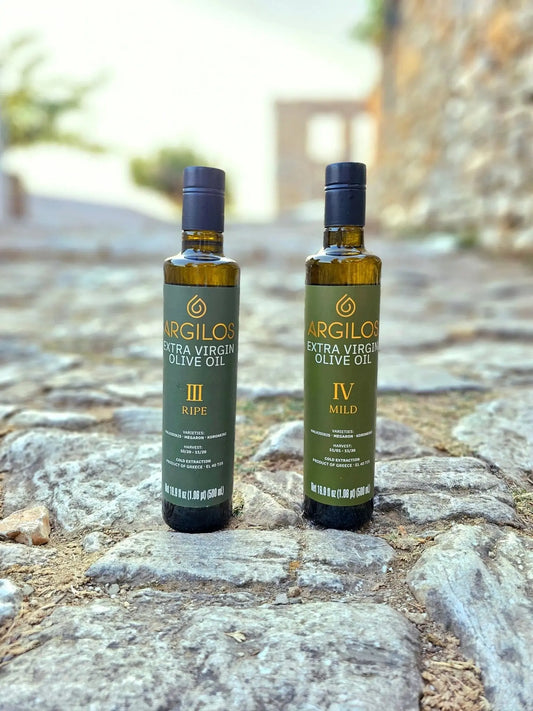
Greek olive oil, particularly early-harvest extra virgin like Argilos EVOO, is among the richest natural sources of oleic acid and polyphenols.
Its exceptional quality ensures maximum metabolic impact.
Argilos EVOO Attributes:
- Oleic acid content: ~78%
- Ultra-low acidity: <0.3%, preserving freshness and active compounds
- Cold-pressed within hours of harvest — maintains enzymatic integrity
- Single-origin Greek olives from small Pangaion groves
“When you drizzle Argilos EVOO on your food, you’re not adding fat — you’re feeding your metabolism.”
👉 Shop Argilos Extra Virgin Olive Oil →
🩺 How to Incorporate EVOO for Metabolic Health
Here are simple, research-backed ways to use olive oil daily without increasing calories:
- 🥗 Replace butter or seed oils with EVOO for all meals.
- 🍳 Cook lightly with EVOO — stable up to 400°F.
- 🥄 Take 1–2 tablespoons raw each morning for maximum polyphenol absorption.
- 🕊️ Pair with vegetables or greens — EVOO enhances nutrient bioavailability.
Studies consistently show that replacing saturated or refined fats with olive oil can improve metabolic outcomes within 6–8 weeks.
📚 References
- Frontiers in Nutrition (2025). Regular extra-virgin olive oil intake independently associates with lower abdominal obesity. Read here →
- European Heart Journal (2025). Olive oil intake and metabolic health markers.
- Harvard T.H. Chan School of Public Health (2024). Olive oil consumption and longevity study.
❓ Frequently Asked Questions
Q1: Does olive oil help burn belly fat?
A: It doesn’t “burn” fat directly, but oleic acid and polyphenols improve metabolic balance and reduce visceral fat accumulation — especially when replacing other fats.
Q2: How much olive oil should I consume daily for results?
A: Most research recommends 20–30ml (1.5–2 tablespoons) daily as part of a balanced diet.
Q3: Will olive oil make me gain weight?
A: No — unlike refined oils or butter, extra virgin olive oil supports satiety, reduces inflammation, and may help prevent abdominal weight gain.
Q4: Why choose Argilos EVOO for metabolic health?
A: Argilos EVOO’s ultra-low acidity and high polyphenol content deliver the same nutrients studied in the 2025 Frontiers in Nutrition publication — naturally.