
The Surprising Connections Between Christmas and Ancient Greece
Did you know that the merry feasting and gift exchanges of Christmas may trace back to ancient Greek revelry honoring gods like Dionysus and Cronus? While Christmas is primarily a Christian holiday celebrating Jesus's birth, its date and customs blend deeply with pre-Christian pagan festivals. The "Christmas origins Ancient Greece" reveal fascinating ties, where "Greek influences on Christmas" include social equality during banquets, evergreen decorations, and winter solstice celebrations. This article uncovers these historical threads, showing how Greek antiquity shaped the holiday season we know today, adding layers of cultural richness to your festivities.
The ancient Greek roots of Christmas: A Brief Overview
The choice of December 25 for Christmas wasn't random; early Christians in the 4th century AD selected it to coincide with existing pagan winter solstice festivals, easing conversions in the Roman Empire. The Roman Saturnalia, a week-long celebration of Saturn (the Roman counterpart to Greek Cronus), featured feasting, role reversals, and merriment from December 17-23. This festival directly drew from ancient Greek traditions, particularly the Kronia, which emphasized harvest abundance and social equality. As Greek culture influenced Rome through conquest and Hellenization, these rituals merged, evolving into Christmas customs. Historians note that solstice festivals combated winter darkness with light and joy, a theme persisting in holiday lights and gatherings. This cultural fusion highlights how ancient Greek pagan roots transitioned into Christian traditions, blending mythology with renewal themes.
Ancient Greek Festivals That Shaped Christmas Traditions
Ancient Greeks marked seasons with vibrant festivals honoring gods, many aligning with themes of rebirth and community, echoing Christmas spirit.
Kronia: The Festival of Equality and Harvest
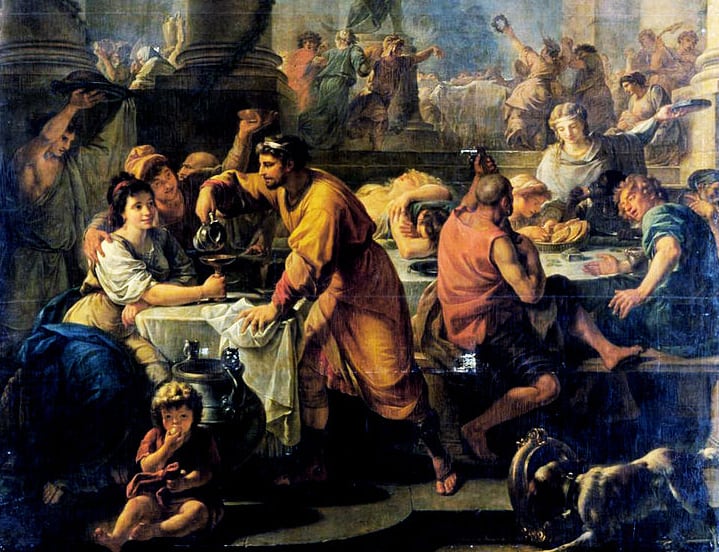
Held in midsummer (around July-August in the Attic calendar), Kronia honored Cronus, the Titan god of time and agriculture. During this time, social norms flipped: slaves feasted with masters, games abounded, and gifts like fruits or bread were exchanged. Though summer-based, its customs influenced the winter Roman Saturnalia, which adopted evergreen decorations and mock kings, precursors to Christmas wreaths and king cakes.
Rural Dionysia: Winter Revelry and Rebirth
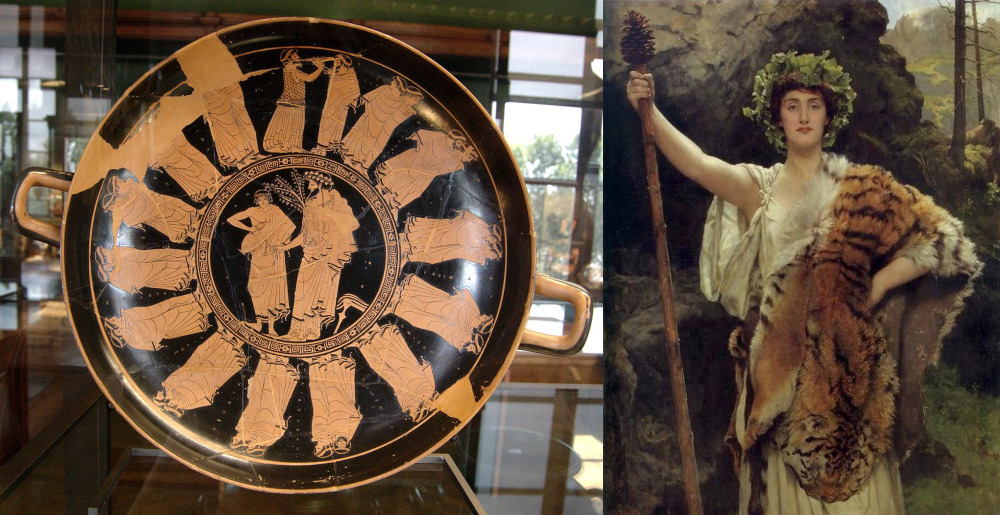
The Rural Dionysia, celebrated in late December to early January (during the month of Poseideon), honored Dionysus, god of wine and ecstasy. This winter solstice-timed festival involved processions with phallic symbols, baskets of produce, singing, dancing, and theater performances for agricultural blessings. Dionysus's "12 Days" started around December 25, marking his birth as a "divine infant" and savior, with epiphanies on January 6—paralleling Christmas and Epiphany. Feasts featured wine, music, and communal joy, influencing later holiday merriment.

Other Winter Festivals: Haloa and Lenaia
Haloa, in December, focused on fertility with women-only feasts of phallic cakes and banter, dedicated to Demeter and Persephone. Lenaia in January featured dramatic competitions honoring Dionysus, blending theater with winter celebrations. These emphasized renewal amid winter, foreshadowing Christmas themes.
Specific Greek Influences on Modern Christmas Customs
Ancient Greek elements subtly infuse holiday practices:
- Gift-Giving and Generosity: Kronia's exchanges of fruits and tokens evolved into Saturnalia's wax figurines, inspiring Santa's gifts. Dionysus's festivals included offerings, mirroring stocking stuffers.
- Feasting and Merriment: Rural Dionysia's wine-soaked banquets and dances parallel Christmas dinners and parties. Festive breads like those in Thalysia resemble Greek vasilopita, a New Year's cake with hidden coins for luck.
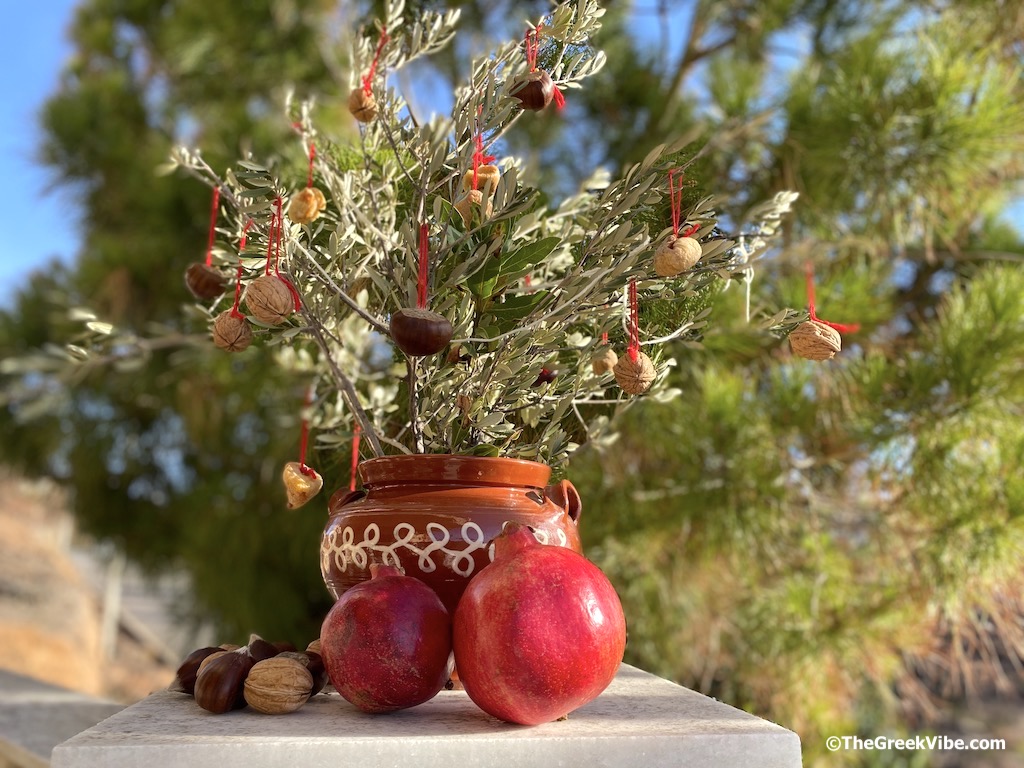
- Decorations and Symbolism: The eiresione branch from Pyanopsia—olive or laurel adorned with wool, fruits, and pastries—hung on doors as a prosperity symbol, a direct ancestor to Christmas wreaths and trees. Evergreens in Dionysian rites represented eternal life.
- Lights and Carols: Torches in solstice rituals influenced holiday lights. Ancient carols for Dionysus's rebirth, sung by children with decorated branches, echo Christmas caroling.
How Greek Heritage Enhances Contemporary Christmas Celebrations
Today, infusing Greek heritage into Christmas creates meaningful fusions. Add vasilopita to your feast for a lucky twist, or incorporate olive branches in decorations for authenticity. For e-commerce shoppers, explore Greek-inspired products like olive oil lamps (echoing solstice lights) or Dionysus-themed ornaments on platforms like Shopify stores specializing in cultural artifacts. Modern Greeks celebrate with kalanda (carols) and melomakarona cookies, blending ancient merriment with holiday cheer. This heritage makes celebrations more inclusive, honoring global roots while boosting family bonding—perfect for themed parties or educational activities.
Conclusion
From Kronia's egalitarian feasts to Dionysus's rebirth on December 25, the surprising connections between Christmas and Ancient Greece reveal a shared human desire for joy amid winter's chill. These pagan influences enrich the holiday, reminding us of its evolving tapestry. This season, embrace these historical ties—perhaps by trying a Greek recipe or decoration. Dive deeper into history for a more magical Christmas, and share your fused traditions in the comments!
FAQs
- What ancient Greek festival most influenced Christmas? The Rural Dionysia and Kronia, through their feasting and rebirth themes, shaped customs via Roman Saturnalia.
- Did ancient Greeks celebrate on December 25? Yes, it marked Dionysus's birth as a "divine infant" and savior, paralleling Jesus's nativity.
- How do Greek decorations relate to Christmas trees? The eiresione branch, adorned with fruits and wool, was hung on doors and inspired wreaths and trees.
- Are there modern Greek Christmas traditions from antiquity? Vasilopita cake and kalanda carols echo ancient festive breads and songs for Dionysus.
- Why did Christians adopt pagan dates like December 25? To align with solstice festivals like Dionysus's birth, facilitating conversions in the Roman Empire.