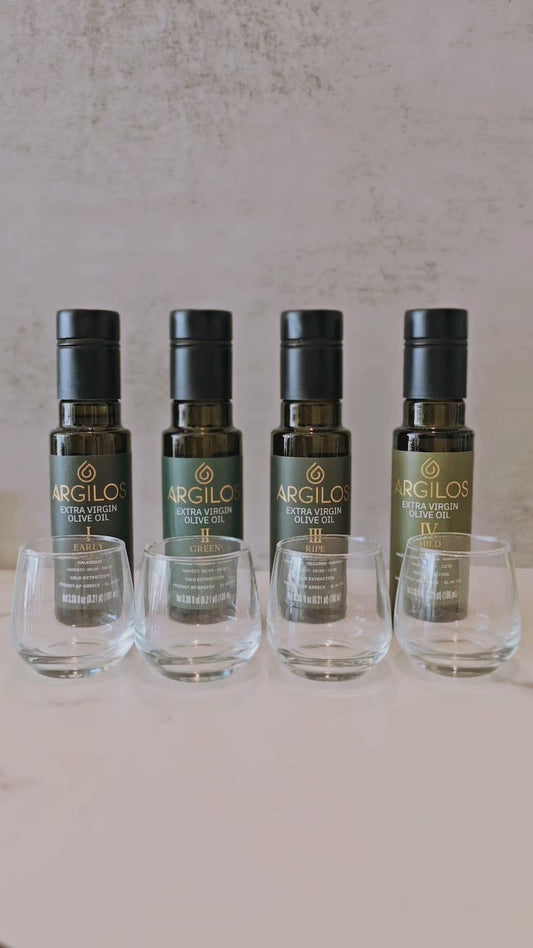
Premium olive oil quality metrics explained in one guide, covering lab chemistries, polyphenols, sensory scores, freshness, origin, and certifications so you can confidently identify truly high‑grade extra virgin olive oil.

Understanding Premium Olive Oil Quality: A Complete Metrics Guide

Discover what lab-certified quality metrics reveal about exceptional extra virgin olive oil—and why these numbers matter for your health and culinary experience.

Understanding Olive Oil Quality Metrics

Premium extra virgin olive oil is defined by rigorous quality standards that go far beyond taste. These scientific metrics provide objective proof of purity, freshness, and authenticity. When you see lab-certified results, you're looking at transparency that separates exceptional olive oil from ordinary products.

Acidity
0.31%

Free fatty acid content measured as oleic acid. Extra virgin olive oil must be below 0.8%. Lower acidity indicates superior quality and careful handling from harvest to bottle.

Peroxide Value
4.89 mEq O₂/Kg

Measures oxidation level in mEq O₂/Kg. The legal limit is 20, but premium oils stay well below 10. Lower values mean fresher oil with better shelf life and flavor preservation.

K232 Coefficient
1.62

UV spectrophotometry test detecting oxidation. Maximum allowed is 2.50. Exceptional oils like this one demonstrate minimal oxidative stress and proper storage conditions.

K268 Coefficient
0.12

Secondary oxidation indicator with a 0.22 limit. This remarkably low reading confirms the oil's freshness and absence of rancidity or degradation.

MOSH (C10-C50)
Not Detected

Mineral Oil Saturated Hydrocarbons test. Not detected means zero contamination from industrial lubricants or processing equipment—a mark of pristine production standards.

MOAH (C10-C50)
Not Detected

Mineral Oil Aromatic Hydrocarbons test. Not detected confirms the oil is free from potentially harmful aromatic compounds, ensuring absolute purity.

GC-FID Analysis
Not Detected

Gas Chromatography test detecting adulterants. Not detected means no seed oils, refined oils, or other cheaper substitutes—guaranteeing 100% pure extra virgin olive oil.

Pesticide Residue
<0.01 mg/kg

Multi-residue pesticide screening. Results below 0.01 mg/kg demonstrate sustainable farming practices and minimal chemical intervention in the grove.

Why These Metrics Matter: These lab results aren't just numbers—they're your assurance of authenticity. In an industry where up to 80% of "extra virgin" olive oil sold in the U.S. fails to meet international standards, third-party testing provides the transparency you deserve.

What Makes These Results Exceptional

Every metric shown here significantly exceeds the minimum requirements for extra virgin classification. The acidity of 0.31% is less than half the legal limit. The peroxide value of 4.89 indicates oil that was cold-pressed within hours of harvest and stored in optimal conditions. The complete absence of MOSH, MOAH, and adulterants confirms a production process focused on purity over profit.

These results represent the gold standard in olive oil quality—the kind of transparency that builds trust and proves authenticity in every bottle.
Frequently Asked Questions

What does "acidity" mean in olive oil?

Acidity measures free fatty acids, which form when olives are damaged or processed improperly. Lower acidity means the olives were handled carefully and pressed quickly after harvest. Extra virgin olive oil must have acidity below 0.8%, but premium oils like this one achieve levels below 0.5%.

Why should I care about MOSH and MOAH?

MOSH and MOAH are mineral oil contaminants that can enter olive oil through industrial processing equipment or packaging materials. While trace amounts are common in many foods, premium producers test to ensure complete absence, guaranteeing the purest possible product.

How can I verify these test results?

Reputable producers provide lab certificates from accredited third-party testing facilities. Look for specific batch numbers, testing dates, and the laboratory's credentials. Transparency in testing is a hallmark of authentic extra virgin olive oil.

What's the difference between peroxide value and K232/K268?

Peroxide value measures primary oxidation (early-stage degradation), while K232 and K268 detect both primary and secondary oxidation products. Together, they provide a complete picture of the oil's freshness and stability over time.

Does "Not Detected" mean zero pesticides?

Results below 0.01 mg/kg indicate pesticide levels so low they're essentially undetectable by modern testing equipment. This suggests minimal or no pesticide use in the olive groves and confirms sustainable farming practices.

References & Standards

  1. International Olive Council (IOC). "Trade Standard Applying to Olive Oils and Olive-Pomace Oils." COI/T.15/NC No 3/Rev. 19, 2022.
  2. European Commission Regulation (EEC) No 2568/91. "Characteristics of Olive Oil and Olive-Residue Oil and on the Relevant Methods of Analysis." Official Journal L 248, 1991.
  3. USDA Agricultural Marketing Service. "United States Standards for Grades of Olive Oil and Olive-Pomace Oil." Federal Register, 2010.
  4. European Food Safety Authority (EFSA). "Scientific Opinion on Mineral Oil Hydrocarbons in Food." EFSA Journal, 2012.
  5. Codex Alimentarius Commission. "Standard for Olive Oils and Olive Pomace Oils." CODEX STAN 33-1981, Rev. 2021.
  6. UC Davis Olive Center. "Tests Indicate that Imported 'Extra Virgin' Olive Oil Often Fails International and USDA Standards." 2010.

Experience Lab-Certified Purity

Every bottle comes with third-party lab certification proving these exceptional quality metrics. Taste the difference that transparency makes.

Shop Premium Olive Oil