
The Great Food Debate: EU vs. U.S. Standards
In recent years, the conversation around food quality and safety standards has intensified, with consumers increasingly questioning what goes into their meals. The stark differences between European Union and United States food regulations have become a hot topic, sparking debates about health, transparency, and consumer protection.
While both regions claim to prioritize food safety, their approaches differ dramatically. The EU operates on the precautionary principle, banning substances until proven safe, while the U.S. generally allows ingredients unless proven harmful. This fundamental difference has led to thousands of additives being permitted in American food that are banned across the Atlantic.
Why the Regulatory Gap Exists
The divergence in food standards stems from different regulatory philosophies and industry influences. The European Food Safety Authority (EFSA) takes a preventive approach, requiring extensive safety data before approving new food additives. In contrast, the FDA's Generally Recognized as Safe (GRAS) designation allows manufacturers to self-certify ingredients with minimal oversight.
Key Fact: Over 3,000 food additives are approved for use in the United States, while the EU has banned or restricted hundreds of these same substances, including certain artificial colors, preservatives, and growth hormones.
Banned in Europe, Common in America
Several ingredients routinely found in U.S. products are prohibited in the EU due to health concerns:
- Artificial Food Dyes: Yellow 5, Yellow 6, and Red 40 require warning labels in the EU due to links to hyperactivity in children, yet remain unrestricted in American foods.
- Brominated Vegetable Oil (BVO): Used in citrus-flavored sodas in the U.S., banned in the EU since 2008 due to potential health risks.
- Potassium Bromate: A dough conditioner in American bread, classified as a possible carcinogen and banned in the EU.
- rBGH/rBST: Growth hormones given to dairy cows in the U.S., prohibited in the EU since 1999 over animal welfare and potential human health concerns.
- Chlorinated Chicken: Common practice in U.S. poultry processing, banned in the EU which requires higher hygiene standards throughout production.
The Olive Oil Standard: A Case Study
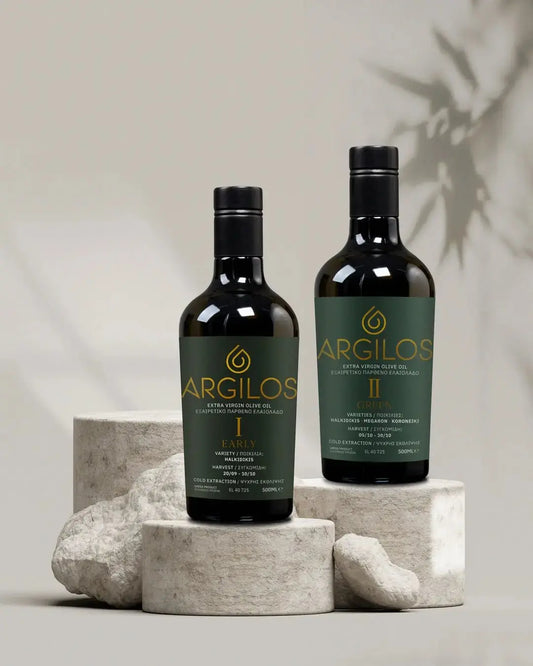
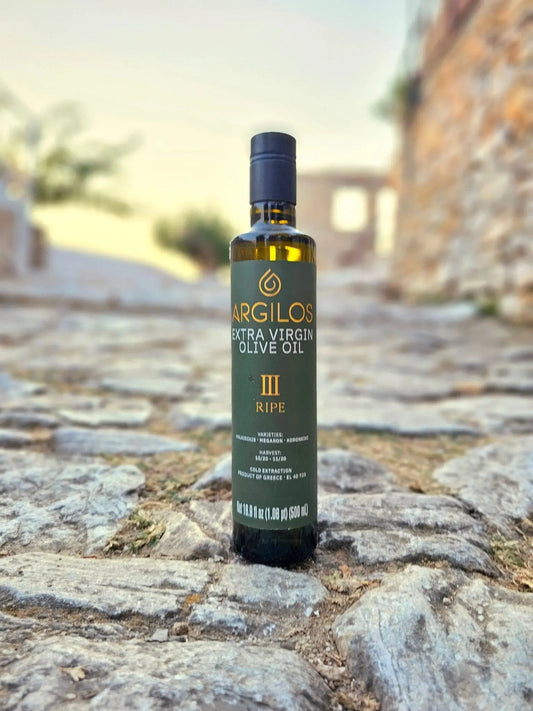
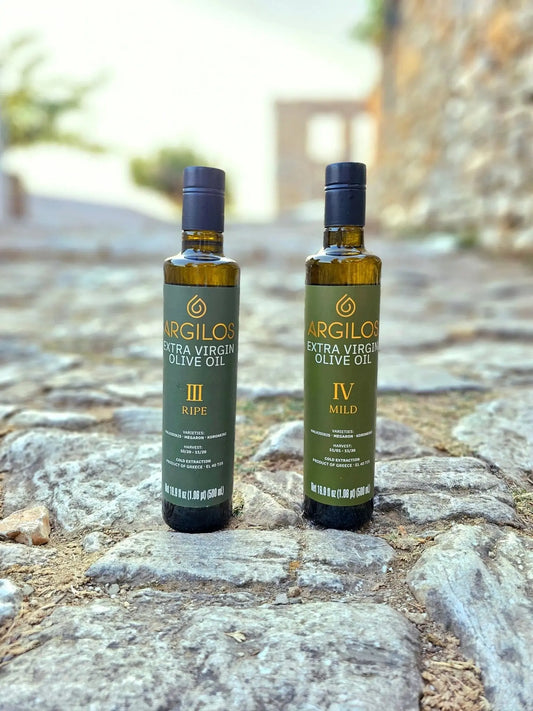
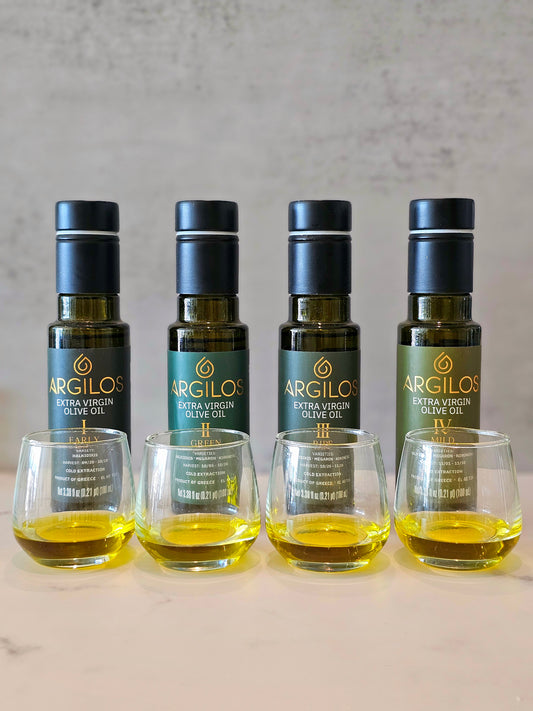
Nowhere is the quality difference more apparent than in olive oil production. The EU, particularly Mediterranean countries like Greece, Italy, and Spain, maintains rigorous standards for extra virgin olive oil that far exceed U.S. requirements.
EU Olive Oil Regulations
European extra virgin olive oil must meet strict chemical and sensory criteria, including low acidity levels (below 0.8%), absence of defects, and verification through expert taste panels. The EU also enforces Protected Designation of Origin (PDO) and Protected Geographical Indication (PGI) labels, ensuring authenticity and traceability.
U.S. Olive Oil Reality
The United States has no mandatory federal standards for olive oil grading. Studies have found that up to 69% of imported olive oils labeled "extra virgin" in U.S. stores fail to meet international standards. Adulteration with cheaper oils, mislabeling, and oxidized products are common issues that European regulations actively prevent.
Pesticide and Herbicide Differences
The EU has banned or severely restricted many pesticides still widely used in American agriculture. Glyphosate, atrazine, and neonicotinoids face strict limitations in Europe while remaining prevalent in U.S. farming. The EU's maximum residue levels (MRLs) for pesticides on food are often significantly lower than American standards.
GMO Labeling and Transparency
Genetically modified organisms represent another major divide. The EU requires mandatory labeling of GMO products and has approved far fewer GMO crops than the United States. American consumers only recently gained federal GMO labeling requirements through the National Bioengineered Food Disclosure Standard, which critics argue lacks the clarity of European labels.
The Impact on Consumer Health
While direct causation is difficult to prove, the United States faces higher rates of obesity, diabetes, and certain cancers compared to many European nations. Researchers point to ultra-processed foods, artificial additives, and agricultural chemicals as potential contributing factors. The European approach to food regulation may offer protective benefits that American consumers currently lack.
What This Means for Conscious Consumers
Understanding these differences empowers consumers to make informed choices. Seeking out products that meet European standards, choosing organic when possible, and supporting transparent food producers can help bridge the quality gap. For staples like olive oil, selecting authentic European imports ensures you receive the health benefits and purity that stricter regulations provide.