Olive Oil 101: Everything You Need to Know
Your comprehensive guide to understanding, buying, and using olive oil

What is Olive Oil?
Olive oil is a liquid fat obtained from olives, the fruit of the olive tree (Olea europaea). It's a cornerstone of Mediterranean cuisine and has been used for thousands of years, not just for cooking but also for medicinal purposes, cosmetics, and even as fuel for lamps.
The production of olive oil involves pressing whole olives to extract their natural oils. The quality and characteristics of the oil depend on factors like the olive variety, growing conditions, harvest time, and extraction methods.

Can I Cook with Olive Oil?
Absolutely! Despite common myths, olive oil is excellent for cooking. Extra virgin olive oil is stable at high temperatures and can be used for sautéing, roasting, and even frying. Its high content of monounsaturated fats and antioxidants makes it more resistant to oxidation than many other cooking oils.
The key is understanding smoke points and choosing the right olive oil for your cooking method.
How is Olive Oil Made?
The traditional process of making olive oil involves several steps:
- Harvesting: Olives are picked at their optimal ripeness, typically in fall or early winter.
- Washing: Olives are cleaned to remove leaves, twigs, and dirt.
- Crushing: Olives are ground into a paste, including the pit, flesh, and skin.
- Malaxation: The paste is slowly mixed to allow oil droplets to combine.
- Separation: The oil is separated from the water and solids through pressing or centrifugation.
- Storage: The oil is stored in stainless steel tanks away from light and heat.
Extra virgin olive oil is made without heat or chemicals, preserving its natural flavors and health benefits.

Types of Olive Oil
Understanding the different types of olive oil helps you choose the right one for your needs. The main categories are based on processing methods and quality standards.
What is Virgin Olive Oil?
Virgin olive oil is made from pure, cold-pressed olives without any chemical treatment. It has slightly higher acidity than extra virgin (up to 2%) and may have minor flavor defects. It's still a quality oil but doesn't meet the strict standards of extra virgin.
How is Extra Virgin Olive Oil Different from Regular Olive Oil?
Extra virgin olive oil (EVOO) is the highest quality olive oil. It must have:
- Acidity level below 0.8%
- No flavor defects
- Superior taste and aroma
- Cold-pressed extraction only
Regular olive oil (often labeled as 'pure' or just 'olive oil') is a blend of refined olive oil and virgin olive oil. It has a milder flavor and lighter color but fewer health benefits.
What is Pure Olive Oil?
Despite its name, 'pure' olive oil is actually a blend of refined olive oil and virgin olive oil. The refining process removes defects but also strips away much of the flavor, aroma, and beneficial compounds. It has a higher smoke point and neutral taste, making it suitable for high-heat cooking when you don't want olive flavor.
What is Light Olive Oil?
'Light' olive oil refers to the color and flavor, not the calorie content. It's highly refined and has a very mild taste and lighter color. It contains the same calories as other olive oils but fewer beneficial compounds. It's best used when you want a neutral cooking oil with a higher smoke point.
Health Benefits of Extra Virgin Olive Oil
Extra virgin olive oil is renowned for its impressive health benefits:
- Heart Health: Rich in monounsaturated fats that help reduce bad cholesterol and increase good cholesterol.
- Anti-inflammatory: Contains oleocanthal, a natural anti-inflammatory compound.
- Antioxidants: Packed with polyphenols that fight oxidative stress and cellular damage.
- Brain Health: May help protect against cognitive decline and Alzheimer's disease.
- Cancer Prevention: Studies suggest it may reduce the risk of certain cancers.
- Diabetes Management: Helps regulate blood sugar levels and improve insulin sensitivity.
The Mediterranean diet, which features olive oil as a primary fat source, is consistently linked to longevity and reduced disease risk.

What to Look for When Buying Olive Oil
When shopping for olive oil, look for these quality indicators:
- Certification: Look for PDO (Protected Designation of Origin) or PGI labels.
- Harvest Date: Fresher is better. Look for a harvest date within the last year.
- Dark Bottle: Quality olive oil comes in dark glass or tin to protect from light.
- Origin: Single-origin oils often indicate higher quality and traceability.
- Price: Good EVOO isn't cheap. Be wary of suspiciously low prices.
- Taste: Quality EVOO should taste fruity, peppery, or grassy, with a slight bitterness.
Avoid oils labeled 'light,' 'pure,' or without a harvest date.
What is the Smoke Point of Extra Virgin Olive Oil?
The smoke point of extra virgin olive oil ranges from 350°F to 410°F (175°C to 210°C), depending on quality and freshness. This is higher than many people think and suitable for most cooking methods including:
- Sautéing and pan-frying
- Roasting vegetables
- Baking
- Light stir-frying
High-quality EVOO with low acidity has a higher smoke point. The presence of antioxidants also makes it more stable during heating compared to refined oils.
Can I Cook or Bake with Olive Oil Instead of Vegetable Oil?
Yes! Olive oil can replace vegetable oil in most recipes. Here's how to substitute:
- Baking: Use a 1:1 ratio. Olive oil adds moisture and can enhance flavor in cakes, muffins, and breads.
- Sautéing: Use the same amount as you would vegetable oil.
- Roasting: Olive oil creates beautifully caramelized vegetables and meats.
- Salad Dressings: EVOO is superior to vegetable oil for raw applications.
For neutral-flavored baking, use light olive oil. For savory dishes, embrace the fruity notes of extra virgin.

Does Olive Oil Go Bad?
Yes, olive oil does go bad. Signs of rancid olive oil include:
- Unpleasant smell (like crayons or putty)
- Greasy or waxy mouthfeel
- Stale or musty taste
- Loss of peppery or fruity notes
Unopened olive oil lasts 18-24 months from the harvest date. Once opened, use within 3-6 months for best quality. Proper storage significantly extends shelf life.
How to Store Olive Oil
Proper storage preserves olive oil's quality and extends its life:
- Keep it cool: Store at 57-70°F (14-21°C). Avoid storing near the stove.
- Protect from light: Keep in a dark place or dark bottle. Light degrades quality.
- Seal tightly: Minimize air exposure by closing the bottle after each use.
- Avoid heat: Never store near heat sources or in direct sunlight.
- Don't refrigerate: Cold temperatures can cause cloudiness and solidification.
A cool, dark pantry or cupboard away from the stove is ideal.
My Favorite Olive Oils
After years of tasting and testing, these are my top recommendations for exceptional olive oils that deliver on quality, flavor, and value.
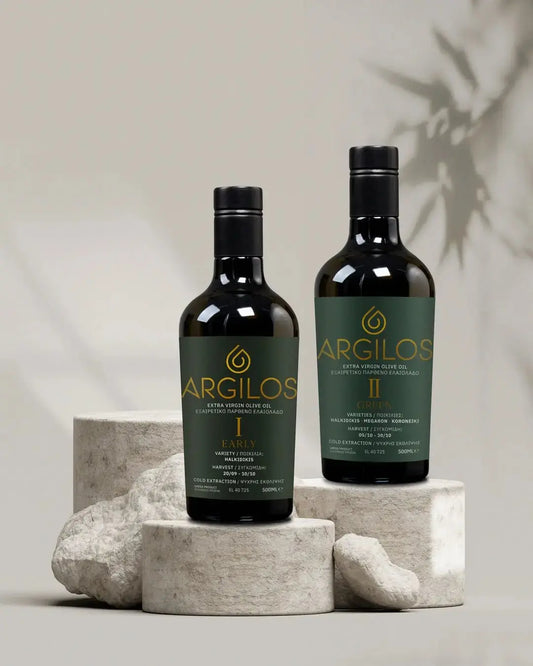
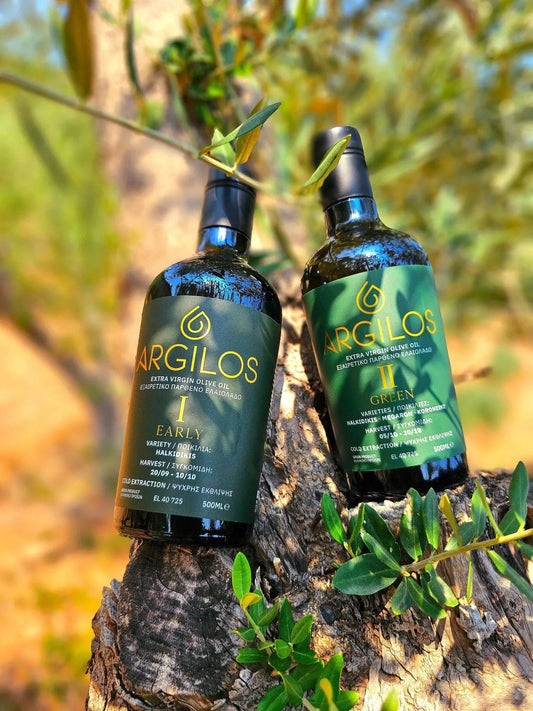
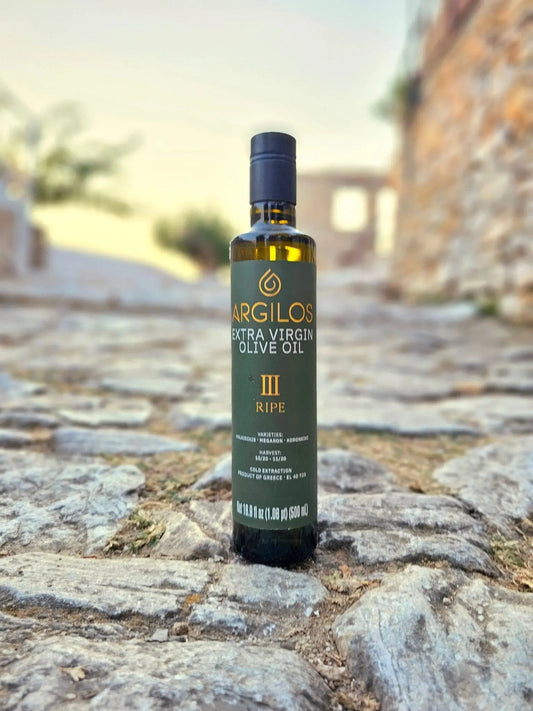
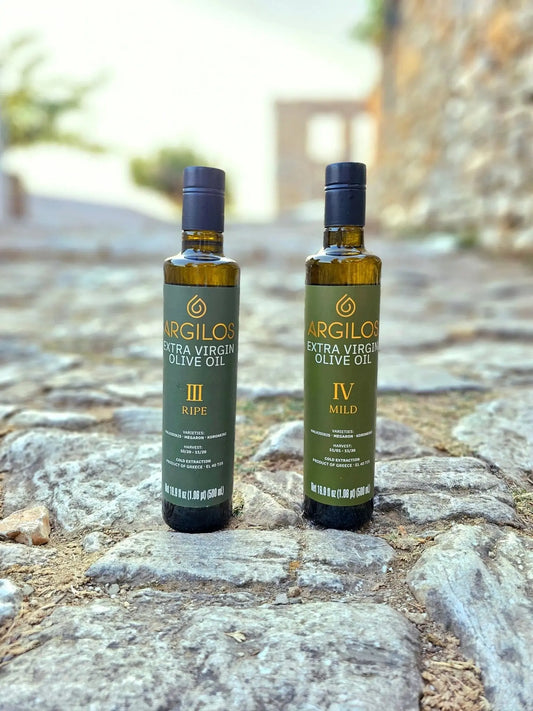
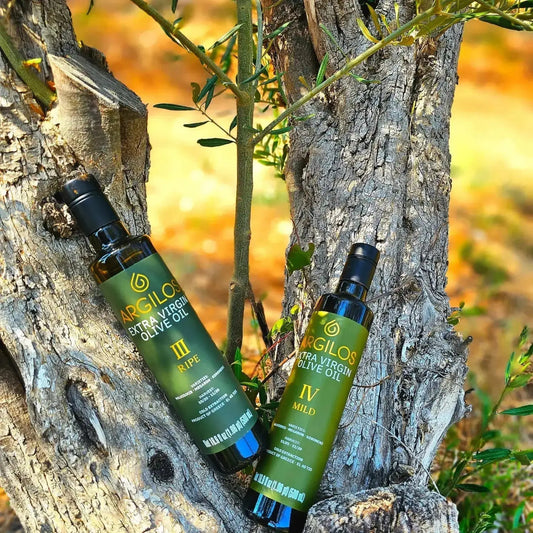
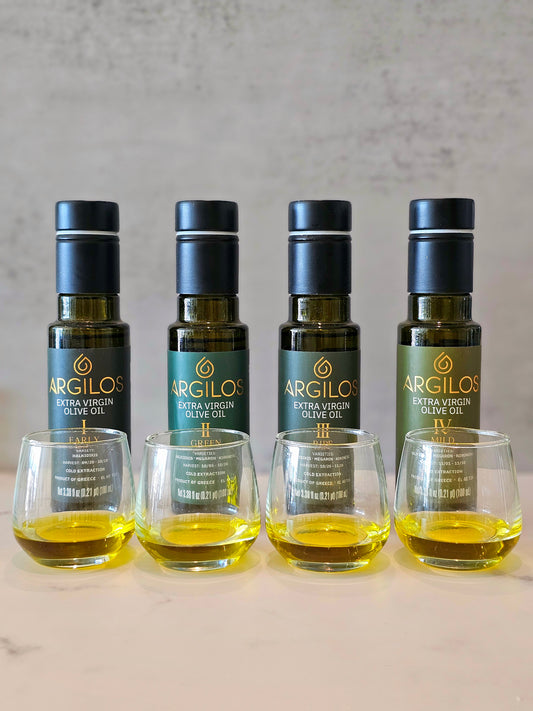
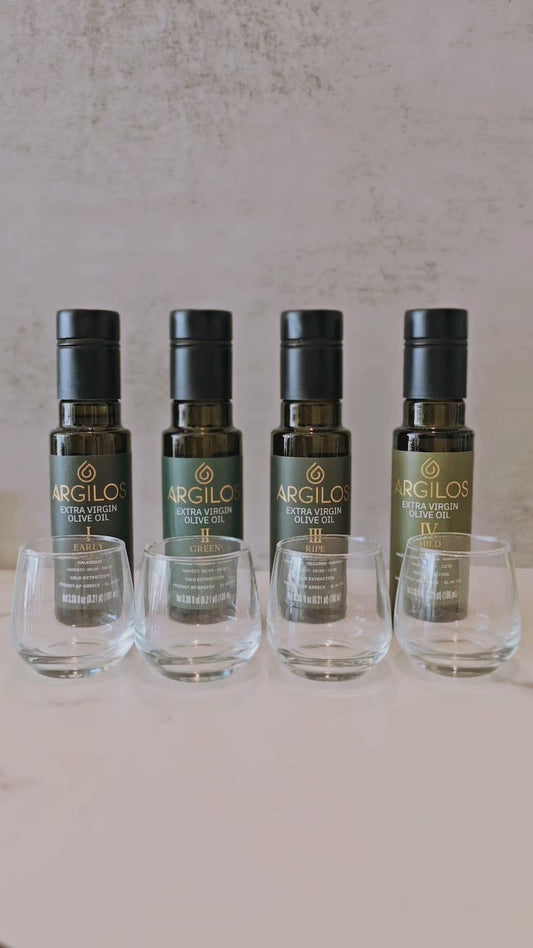
Argilos Greek Extra Virgin Olive Oil Ultimate Bundle
Experience the difference of authentic, premium extra virgin olive oil
Shop NowOlive Oil Shines in These Recipes
Olive oil elevates these classic recipes:
- Classic Vinaigrette: 3 parts EVOO to 1 part vinegar, plus Dijon mustard and herbs
- Roasted Vegetables: Toss with EVOO, salt, and pepper before roasting at 425°F
- Pasta Aglio e Olio: Garlic, olive oil, red pepper flakes, and pasta
- Olive Oil Cake: Moist, tender cake with subtle fruity notes
- Hummus: Drizzle quality EVOO on top for authentic flavor
- Bruschetta: Grilled bread rubbed with garlic and drizzled with EVOO