
Why Food Matters for Your Mood
The connection between what we eat and how we feel is more powerful than many realize. Our gut produces about 95% of the body's serotonin, the neurotransmitter responsible for regulating mood, sleep, and appetite. When we nourish our bodies with the right foods, we're not just feeding our physical health—we're supporting our mental and emotional well-being too.
Research shows that a diet rich in whole foods, healthy fats, and essential nutrients can reduce symptoms of depression and anxiety while boosting overall happiness. Let's explore 13 scientifically-backed foods that can help elevate your mood naturally.
13 Foods to Boost Your Mood
1. Extra Virgin Olive Oil
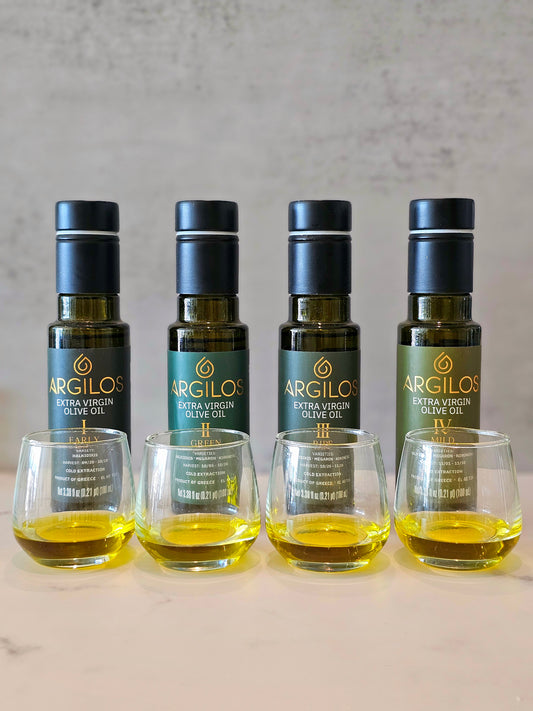
High-quality extra virgin olive oil is rich in polyphenols and healthy monounsaturated fats that support brain health and reduce inflammation. Studies link Mediterranean diets—where olive oil is a staple—to lower rates of depression. The antioxidants in premium olive oil protect brain cells and promote the production of mood-regulating neurotransmitters.
2. Fatty Fish
Salmon, sardines, and mackerel are packed with omega-3 fatty acids, which are essential for brain function. Omega-3s help reduce inflammation and support the production of serotonin and dopamine, two key mood-regulating chemicals.
3. Dark Chocolate
Dark chocolate (70% cacao or higher) contains compounds that trigger the release of endorphins and serotonin. It's also rich in flavonoids that improve blood flow to the brain, enhancing cognitive function and mood.
4. Fermented Foods
Yogurt, kefir, kimchi, and sauerkraut contain probiotics that support gut health. Since the gut-brain axis plays a crucial role in mood regulation, maintaining a healthy microbiome can significantly impact your emotional well-being.
5. Bananas
Bananas are rich in vitamin B6, which helps synthesize feel-good neurotransmitters like dopamine and serotonin. They also provide natural sugars and fiber for sustained energy without the crash.
6. Berries
Blueberries, strawberries, and raspberries are loaded with antioxidants that combat oxidative stress and inflammation in the brain. Regular berry consumption has been linked to reduced symptoms of depression.
7. Nuts and Seeds
Almonds, walnuts, chia seeds, and flaxseeds provide omega-3 fatty acids, magnesium, and tryptophan—all essential for mood regulation. Walnuts, in particular, have been shown to support brain health and reduce depression risk.
8. Leafy Greens
Spinach, kale, and Swiss chard are rich in folate, which helps produce dopamine. Low folate levels have been associated with depression, making these greens essential for mental health.
9. Whole Grains
Oats, quinoa, and brown rice provide complex carbohydrates that help regulate blood sugar and promote steady serotonin production. They also contain B vitamins that support brain function.
10. Avocados
Avocados are rich in healthy fats, B vitamins, and vitamin K, all of which support brain health. They also contain tryptophan, an amino acid that helps produce serotonin.
11. Green Tea
Green tea contains L-theanine, an amino acid that promotes relaxation without drowsiness. Combined with a small amount of caffeine, it can improve focus and mood while reducing anxiety.
12. Eggs
Eggs are an excellent source of protein, vitamin D, and choline—all important for brain health. The yolks contain tryptophan, which supports serotonin production.
13. Turmeric
Curcumin, the active compound in turmeric, has powerful anti-inflammatory and antioxidant properties. Studies suggest it may boost serotonin and dopamine levels, making it a natural mood enhancer. Pair it with high-quality olive oil to increase absorption.
How to Incorporate These Foods Into Your Diet
Building a mood-boosting diet doesn't have to be complicated. Here are some simple ways to include these foods in your daily routine:
- Start your day right: Make a smoothie with berries, banana, spinach, and chia seeds
- Drizzle with quality oil: Use premium extra virgin olive oil on salads, roasted vegetables, or whole grain toast
- Snack smart: Keep nuts, dark chocolate, and fresh fruit on hand for quick mood-boosting snacks
- Cook with intention: Prepare salmon with turmeric and serve over quinoa with leafy greens
- Sip mindfully: Replace afternoon coffee with green tea for sustained energy and calm focus